
- This topic is empty.
-
AuthorPosts
-
12/11/2026 at 15:11 #10515
Published: November 2026 | By Tianmei Engineering Team
Manual dinting stops making sense the moment your repair schedule — not your budget — decides when the roadway gets fixed, and for most mines that line is crossed well before the second repair cycle. The question is not whether a machine can cut floor faster; it can, at a documented 2.5 m per hour against a hand crew's fraction of that. The question finance directors should ask is what manual dinting vs machine cost underground looks like across a full year of repair cycles — and where the five signals are that tell you when to mechanize roadway floor dinting. This guide runs the numbers.
1. What Does Manual Dinting Actually Cost?
The wage bill is only the visible part of coal mine roadway maintenance labor cost. Manual floor work carries four hidden charges:
⚠️ Crew size per meter. A manual dinting gang runs around ten workers, and its output collapses where the floor is hard or the section is low — exactly the roadways that heave most.
⚠️ Re-handled muck. Hand-loaded spoil is shuffled to the side, then shuffled again — every re-handle is paid labor that moves the same rock twice.
⚠️ Production interference. Slow manual crews hold open the travelway and delay belt-side work; the mine pays in postponed tonnage, not just wages.
⚠️ Repeal-by-neglect. Because manual cycles are slow, repairs get deferred — and deferred floor heave deepens, making the next manual cycle even slower.
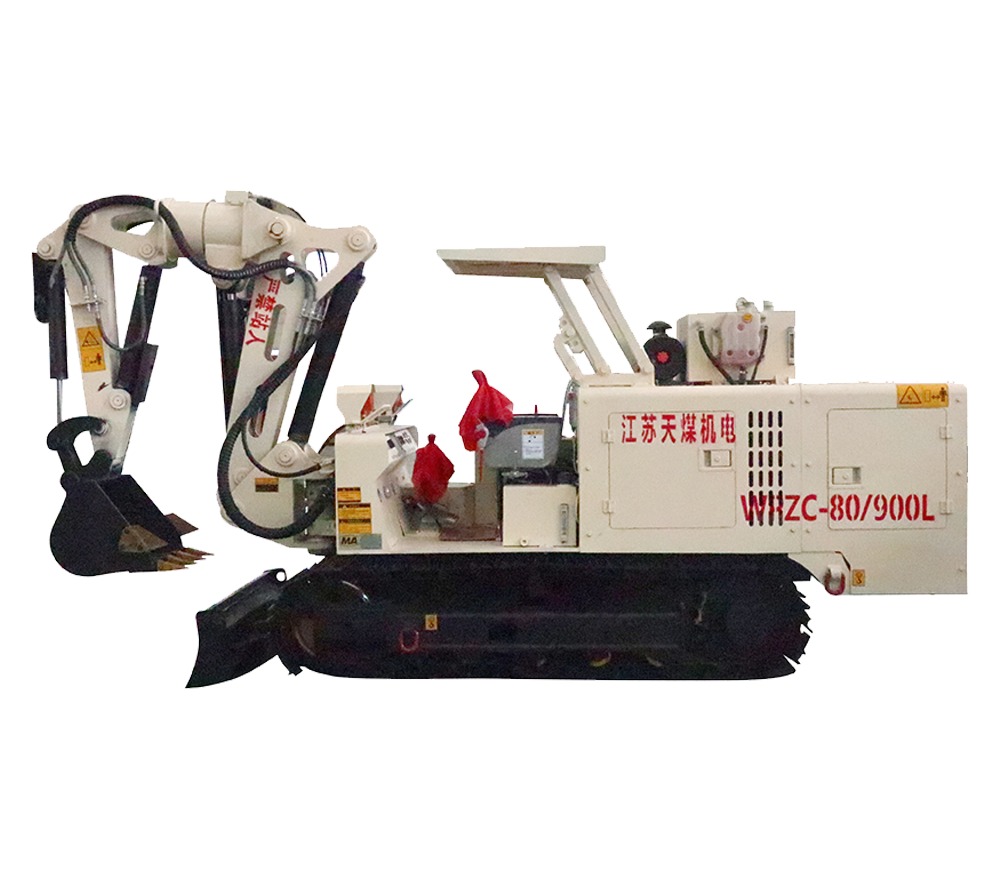
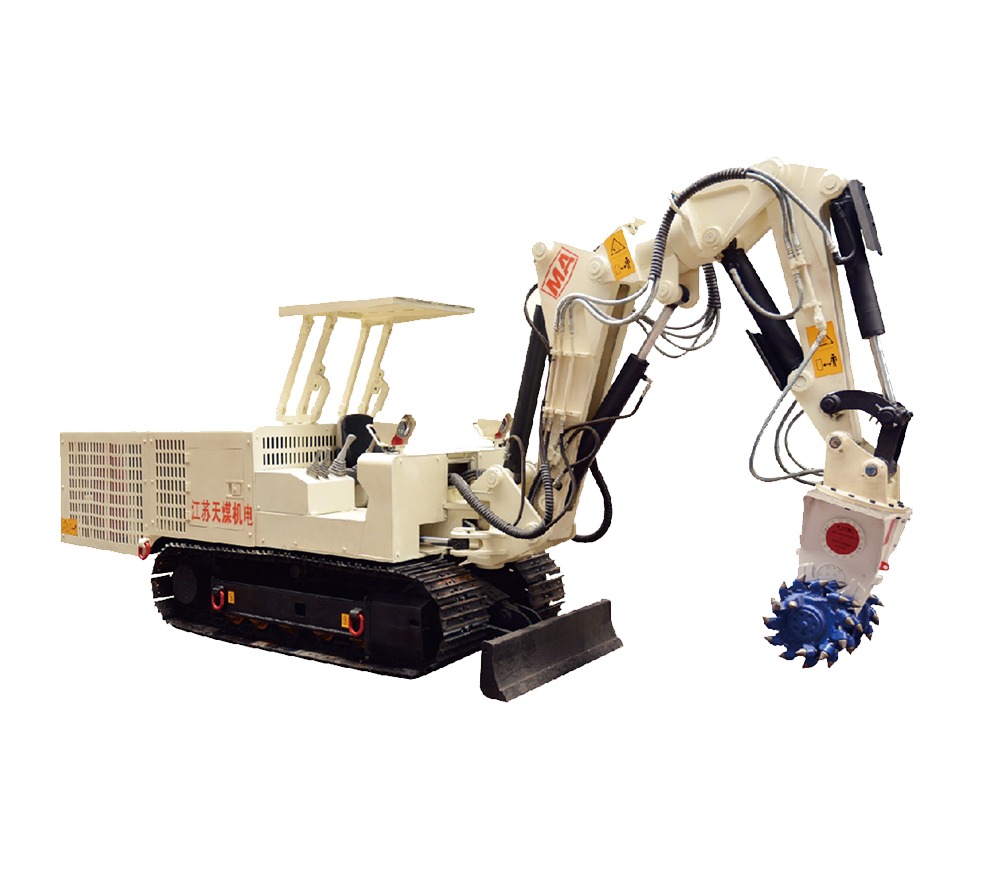
The machine comparison, from field programs: at Yangquan No.1 Coal Mine, one low-profile roadway repair machine from a specialist manufacturer trammed the belt loop and scraped 450 tons of floor per day, cutting manual labor by more than 70%. In China's Binchang mining area, one machine plus one scraper conveyor restored 480 m of gateroad in 40 days at 2.5 m per hour — ten fewer workers per shift than the manual method.
✅ Bottom line: Manual dinting is not cheap — it is expensive labor applied slowly, twice, to the same rock.
2. When to Mechanize Roadway Floor Dinting? Five Signals
The answer to when to mechanize roadway floor dinting is: when any two of these five signals are true — and treat three of them as urgent. They compare manual dinting vs machine cost underground on the only basis that matters: cost per restored meter per year.
✅ Signal 1 — Frequency. The same sections need repair more than once or twice a year. Recurring heave multiplies every manual labor hour; a machine amortizes over every cycle.
✅ Signal 2 — Scale. Annual dinting length exceeds roughly 500 m across the mine. Below that, rental or contracting can bridge; above it, ownership wins.
✅ Signal 3 — Crew competition. Your dinting gangs compete with production crews for the same workers. Labor you cannot staff is coal mine roadway maintenance labor cost you cannot control — the strongest signal of the five.
✅ Signal 4 — Hard floors. Breakers or milling heads are needed on a routine basis. Hand crews simply cannot break rock at scale, and their output falls off a cliff.
✅ Signal 5 — Section fits. Your roadways offer 1.2–1.6 m passing height and a floor width the boom can reach. If the envelope fits, the machine option is real; if not, fix drainage and reinforce first.
On payback: mainstream machines run roughly USD 18,000–110,000 ex-works by power type and attachments, and one unit displaces about a 10-person gang. In most mining economies the wage line alone repays the machine within months of steady operation — before counting the faster cycles, cleaner drainage and one-pass loading. The WPZ-90/2100L with front dozer blade is the reference configuration for mines starting the switch: dinting, loading and floor leveling in one pass.
✅ Bottom line: If two of the five signals are already true at your mine, the machine has paid for itself in the time you spent reading this guide's manual-cost column.
FAQ
Q: How much labor does a roadway repair machine actually replace?
A: Field programs report around ten fewer workers per shift versus manual dinting — the Binchang program restored 480 m in 40 days with the machine plus a scraper conveyor, and Yangquan cut manual labor by over 70% at 450 tons of floor per day. Keep a small hand crew for spot trimming behind the machine.Q: Is manual dinting vs machine cost underground ever still in favor of the hand crew?
A: Yes — at very small scale. Under roughly 300–500 m of dinting per year, with soft floors and a stable crew, contracting or manual cycles can stay cheaper than owning a machine. The five signals above exist precisely because the answer depends on your cycle count, not on machine brochures.Q: How should we present the switch to management?
A: Bring three numbers: current coal mine roadway maintenance labor cost per restored meter, the machine's ex-works price plus commissioning, and your annual repair length. One page, one payback line. Jiangsu Tianmei Electromechanical Technology Co., Ltd. supplies cycle-time estimates and configuration quotes — free — to support the business case.Run the Payback Numbers With Our Engineers
Tianmei manufactures roadway repair machines and mining hydraulic equipment in Xuzhou, China — diesel and electric lines, MA-certified for underground coal use and CE-attested on the roadway repair range. Send Tianmei your annual dinting length, crew size and floor conditions, and our engineers will return a matched configuration with cycle-time estimates and an ex-works quote — free — within 48 hours. Browse the mining roadway repair machine range or contact the Tianmei factory for OEM and customized builds.
http://www.tmroadheader.com
Jiangsu Tianmei Electromechanical Technology Co., Ltd. -
AuthorPosts

- You must be logged in to reply to this topic.
 Google hit with record EU fine over Shopping service
 Business booming for giant cargo planes