
- This topic is empty.
-
AuthorPosts
-
31/07/2026 at 16:19 #9623
Fire protection is something many people only think about when setting up a home or workplace. Smoke alarms and extinguishers are installed, safety inspections are completed, and everything seems ready. However, when a real fire emergency occurs, the outcome often depends on whether the appropriate equipment is available and whether people know how to use it correctly.
Among today's most common fire suppression tools, the fireproof blanket and the fire extinguisher each play an important role. Although both are designed to control fires, they function differently and are intended for different situations. Understanding their strengths and limitations can help homeowners, businesses, and industrial facilities build a more effective fire safety strategy.
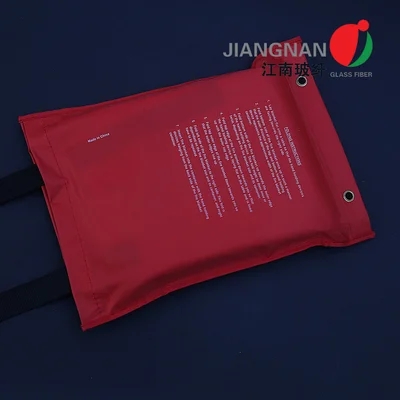
What Is a Fireproof Blanket?
A fireproof blanket is a specially designed safety product manufactured from heat-resistant materials, most commonly woven fiberglass fabric. Instead of spraying chemicals or water, the blanket extinguishes flames by covering the fire and blocking its oxygen supply.
Fireproof blankets are commonly used for:
-
Kitchen grease fires
-
Small fires in their early stages
-
Clothing fires involving people
-
Areas where chemical residue should be avoided
-
Laboratories and electronic equipment rooms
Because they are lightweight, easy to deploy, and require little technical knowledge, fireproof blankets have become a practical fire safety solution for both residential and commercial environments.
Manufacturers such as Changshu Jiangnan Fiberglass Co., Ltd. have extensive experience producing high-performance fiberglass fabrics and coated materials for fire blankets. Their products are designed to withstand extreme temperatures while maintaining flexibility and durability for demanding applications.
How Fire Extinguishers Work
Unlike a fireproof blanket, a fire extinguisher suppresses flames by releasing an extinguishing agent. Depending on the fire hazard, different extinguishers contain water, dry chemical powder, foam, or carbon dioxide.
Each extinguisher is intended for specific fire classifications, including:
-
Class A: Wood, paper, cloth, and similar combustible materials
-
Class B: Flammable liquids
-
Class C: Electrical equipment
-
Class K: Cooking oils and grease
Fire extinguishers can control fires that are larger or spreading more rapidly than those suitable for a blanket. However, using them correctly requires basic training and confidence under pressure.
Fireproof Blanket vs. Fire Extinguisher: Major Differences
Simple Operation
One of the biggest advantages of a fireproof blanket is its ease of use. Simply remove it from its container, cover the flames completely, and leave it in place until the fire is fully extinguished.
A fire extinguisher requires several coordinated steps:
-
Pull the safety pin
-
Aim at the base of the flames
-
Squeeze the handle
-
Sweep across the fire
During emergencies, this process may be difficult for inexperienced users.
Protection for People
When clothing catches fire, a fireproof blanket offers one of the safest responses. Wrapping the blanket around the individual quickly deprives the flames of oxygen while helping reduce burn injuries.
Dry chemical extinguishers should generally not be discharged directly at people because the chemicals may irritate the skin, eyes, and respiratory system.
Suitable Fire Size
Fireproof blankets perform best on contained fires that have not spread significantly.
If flames become too large or begin spreading rapidly, a properly selected fire extinguisher provides greater suppression capability.
Residue After Use
Another advantage of the fireproof blanket is cleanliness. Since it works by smothering the fire rather than releasing chemicals, little or no cleanup is required afterward.
Many extinguishers, particularly dry powder models, leave considerable residue that may contaminate machinery, electronics, or sensitive equipment.
Maintenance Requirements
Fireproof blankets require very little maintenance. As long as they remain dry, undamaged, and properly stored, they are generally ready for immediate use.
Fire extinguishers require routine inspections, pressure testing, and servicing to ensure they remain operational.
Long-Term Cost
Although many fireproof blankets are designed for single use, replacing them is generally inexpensive.
After being discharged, fire extinguishers often require professional refilling or complete replacement, increasing maintenance costs over time.
Situations Where a Fireproof Blanket Is the Better Choice
A fireproof blanket is particularly suitable when:
-
Protecting residential kitchens
-
Responding to small fires immediately after ignition
-
Providing emergency protection for people
-
Preventing contamination in clean environments
-
Supporting laboratories and electronic manufacturing facilities
Many industries rely on advanced fiberglass fire blankets supplied by manufacturers like Changshu Jiangnan Fiberglass Co., Ltd. Their expertise in fiberglass weaving and coating technology helps ensure reliable thermal insulation and long-term product performance.
For additional product information, visit:
<a href="https://www.jnglassfiber.com/Fire-Blankets">fireproof blanket solutions</a>
When a Fire Extinguisher Is More Appropriate
Fire extinguishers become the preferred solution when:
-
Fires involve multiple combustible materials
-
Flames may spread rapidly
-
Industrial production environments are involved
-
Trained emergency personnel are available
-
Larger areas require broader fire suppression capability
Factories, warehouses, and commercial buildings often treat extinguishers as their primary fire response equipment because of their versatility.
Why Using Both Offers Better Protection
Rather than viewing these products as alternatives, many fire safety professionals recommend using both together.
For example:
-
Home kitchens: A fireproof blanket quickly handles cooking oil fires, while an extinguisher provides additional protection if flames spread.
-
Manufacturing facilities: Extinguishers address larger hazards, while blankets provide immediate protection for workers.
-
Research laboratories: Blankets protect personnel during accidents, while extinguishers safeguard expensive equipment and infrastructure.
Combining both tools creates a more comprehensive emergency response system.
Material Technology Makes a Difference
The effectiveness of a fireproof blanket depends greatly on the quality of its heat-resistant material.
Fiberglass remains one of the most widely used materials because it offers:
-
Excellent heat resistance
-
High melting temperature
-
Strong mechanical durability
-
Good flexibility
-
Cost-effective manufacturing
Since its establishment in 1956, Changshu Jiangnan Fiberglass Co., Ltd. has specialized in fiberglass products for fire protection applications. The company manufactures approximately 50,000 tons of fiberglass materials annually, including fire blankets and coated fabrics used in industries such as transportation, renewable energy, and construction.
Continuous investment in advanced coating equipment, warp knitting technology, and research enables the company to develop lighter, stronger, and more heat-resistant fire protection products.
Tips for Selecting the Right Fire Safety Equipment
Before choosing between a fireproof blanket and a fire extinguisher, consider several important factors:
-
What type of environment needs protection?
-
What fire hazards are most likely to occur?
-
Will users receive fire safety training?
-
How quickly can someone respond during an emergency?
-
Can regular equipment maintenance be performed?
Answering these questions will help determine whether one solution—or a combination of both—is most appropriate.
Conclusion
Choosing between a fireproof blanket and a fire extinguisher is not about deciding which product is superior. Each serves a different purpose within a complete fire protection plan.
A fireproof blanket provides a fast, clean, and user-friendly solution for controlling small fires and protecting people, while fire extinguishers deliver greater fire suppression capability for larger or more complex emergencies.
By combining both products and selecting high-quality fire protection materials from experienced manufacturers such as Changshu Jiangnan Fiberglass Co., Ltd., homes and businesses can improve their preparedness and respond more effectively when fire emergencies occur.
Ultimately, having the right equipment available before an emergency happens is one of the most important steps toward protecting lives and property.
http://www.jnglassfiber.com
Changshu Jiangnan Fiberglass Co., Ltd. -
-
AuthorPosts

- You must be logged in to reply to this topic.
 Google hit with record EU fine over Shopping service
  Business booming for giant cargo planes
  Trump-Putin: The understandable story