
- This topic is empty.
-
AuthorPosts
-
01/12/2025 at 11:10 #8277
With the global push towards sustainable energy and carbon neutrality, solar power has become an increasingly popular solution for both residential and commercial buildings. While traditional rooftop solar panels have been the dominant choice for decades, a newer technology—facade solar panels—has emerged as an innovative alternative. This article will compare facade solar panels and traditional rooftop solar panels, discussing their advantages, disadvantages, and suitability for different applications, helping you decide which solution is best for your building.
What Are Facade Solar Panels?
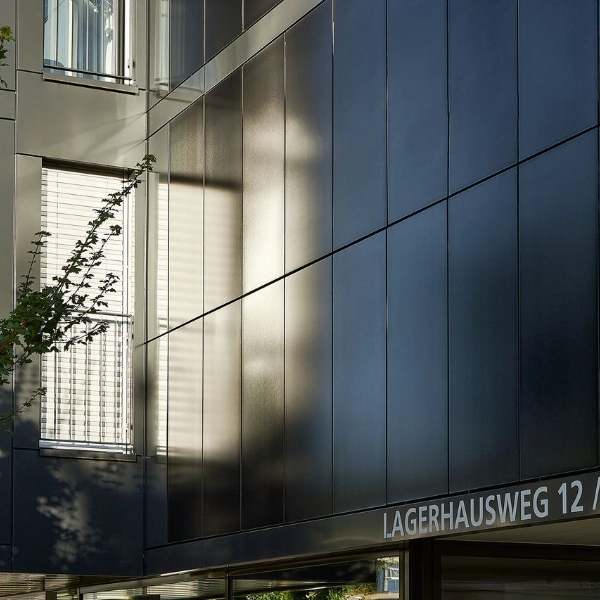
Facade solar panels, also known as building-integrated photovoltaics (BIPV), are photovoltaic panels installed vertically on the exterior walls of a building, rather than horizontally on the roof. They serve dual purposes: generating electricity and acting as part of the building’s architectural design.
Facade panels can be made from traditional crystalline silicon or thin-film solar technology. Many modern designs incorporate translucent or decorative panels, allowing natural light to enter the building while producing energy. Facade solar systems are often used in commercial high-rises, offices, and residential buildings where rooftop space is limited or where aesthetics play a significant role.
What Are Traditional Rooftop Solar Panels?
Traditional rooftop solar panels are the most common type of solar installation worldwide. They are installed horizontally or at an angle on rooftops to capture maximum sunlight. These panels convert sunlight into electricity through photovoltaic cells and are connected to the building’s electrical system.
Rooftop solar panels are highly efficient, widely available, and relatively straightforward to install. They are suitable for residential homes, commercial buildings, and industrial facilities, and they often provide the highest energy yield per square meter compared to vertical installations.
Key Differences Between Facade and Rooftop Solar Panels
Feature Facade Solar Panels Rooftop Solar Panels Installation Location Vertical walls of the building Roof surfaces (flat or sloped) Sunlight Exposure Limited direct sunlight; better on east/west facades Maximum sunlight exposure; optimal angles Energy Efficiency Lower efficiency due to angle and shading Higher efficiency with optimal orientation Aesthetics Integrates into building design; can be decorative Functional, less aesthetic impact Space Utilization Uses vertical space, ideal for buildings with limited roof area Uses roof space; requires sufficient rooftop area Cost Higher initial cost; installation is complex Generally lower cost; mature technology Maintenance Easier access if on lower walls; harder on high facades Easier on flat roofs; roof access may vary Applications High-rise buildings, urban areas with limited roofs Residential homes, commercial buildings, industrial facilities
Advantages of Facade Solar Panels
1. Efficient Use of Building Surface
In urban environments, rooftops may already be occupied by HVAC systems, terraces, or other structures. Facade panels utilize vertical space, converting building walls into energy-generating surfaces without consuming rooftop space.
2. Architectural Integration
Facade solar panels can be designed to match the building’s exterior, offering aesthetic flexibility. They can be colored, textured, or partially transparent, enhancing the building’s appearance while generating electricity.
3. Reduced Heat Gain
By shading walls from direct sunlight, facade panels can reduce indoor heat gain, lowering cooling loads in summer. This passive energy-saving effect adds to their overall benefits.
4. Ideal for High-Rise Buildings
For skyscrapers or buildings with limited rooftop area, vertical panels provide an alternative way to generate solar energy without compromising design or requiring additional land.
Advantages of Traditional Rooftop Solar Panels
1. Higher Energy Efficiency
Rooftop panels are usually installed at the optimal angle to maximize sunlight capture throughout the day. This leads to higher electricity generation per square meter compared to vertical facade installations.
2. Mature Technology
Rooftop solar panels have been widely used for decades. Installation processes, warranties, and maintenance procedures are well-established, making it easier for homeowners and businesses to adopt them.
3. Lower Cost per Watt
Due to the maturity of rooftop solar technology, costs per watt are generally lower than facade solar panels. Economies of scale in manufacturing and installation contribute to this cost advantage.
4. Easier Maintenance
Rooftop panels are more accessible for cleaning, repairs, and replacements. Flat rooftops are easier to navigate compared to high-rise facades, which may require special equipment.
Limitations of Facade Solar Panels
-
Lower Energy Output: Since vertical facades receive less direct sunlight than roofs, energy output per square meter is lower.
-
Higher Installation Costs: Mounting panels on building facades often requires customized structures and additional safety measures, increasing installation costs.
-
Shading Issues: Nearby buildings, trees, or architectural features can shade vertical panels more easily than rooftop installations.
Limitations of Traditional Rooftop Solar Panels
-
Rooftop Space Requirement: Requires sufficient and unobstructed roof area for installation.
-
Aesthetic Impact: Some homeowners may find rooftop panels less visually appealing.
-
Structural Considerations: Roofs must support the weight of panels and mounting structures, which may require additional reinforcement in older buildings.
Factors to Consider When Choosing Between Facade and Rooftop Panels
-
Available Space: If rooftop space is limited, facade panels may be the only option.
-
Sunlight Exposure: Evaluate orientation, angle, and shading. Rooftop panels typically capture more sunlight.
-
Aesthetic Requirements: Facade panels offer design flexibility, important for visible building walls.
-
Energy Needs: Determine how much electricity you want to generate. Rooftop panels usually provide higher output.
-
Budget: Facade panels are generally more expensive, so budget constraints may favor rooftop installations.
-
Building Type: High-rise urban buildings often benefit from facade panels, while low-rise homes typically use rooftop panels.
Combining Facade and Rooftop Solar Panels
In some projects, combining both facade and rooftop solar panels is the optimal solution. This hybrid approach maximizes energy generation, especially in urban areas where rooftop space is partially occupied. By using both vertical and horizontal surfaces, buildings can achieve higher energy efficiency and greater sustainability.
Conclusion
Both facade solar panels and traditional rooftop solar panels have unique advantages and limitations. Facade panels excel in aesthetics, architectural integration, and space utilization, making them ideal for high-rise urban buildings or areas with limited roof space. Rooftop panels, on the other hand, provide higher energy efficiency, lower cost per watt, and mature installation technology, making them suitable for residential homes and commercial buildings.
Ultimately, the best choice depends on your building’s layout, energy goals, budget, and aesthetic preferences. In many cases, combining both technologies can provide the perfect balance between energy generation, design, and practicality.
By carefully evaluating your building’s characteristics and energy requirements, you can choose the solar solution that maximizes performance while enhancing the building’s visual appeal. With solar technology evolving rapidly, investing in either facade or rooftop solar panels contributes to a greener, more sustainable future.
http://www.fgnexsolar.com
fgnexsolar -
-
AuthorPosts

- You must be logged in to reply to this topic.
 Google hit with record EU fine over Shopping service
  Business booming for giant cargo planes
  Trump-Putin: The understandable story