
- This topic is empty.
-
AuthorPosts
-
17/07/2026 at 16:21 #9487
Flow Signal Stability
1. Introduction
Flow signal stability is a critical performance factor for any industrial flow measurement system. Unstable signals lead to inaccurate totalization, erratic 4-20mA outputs, false alarms, and unreliable process control decisions. For plant engineers, instrumentation specialists, and system integrators, understanding what causes signal instability—and how to prevent it—is essential before selecting or troubleshooting a flow meter.
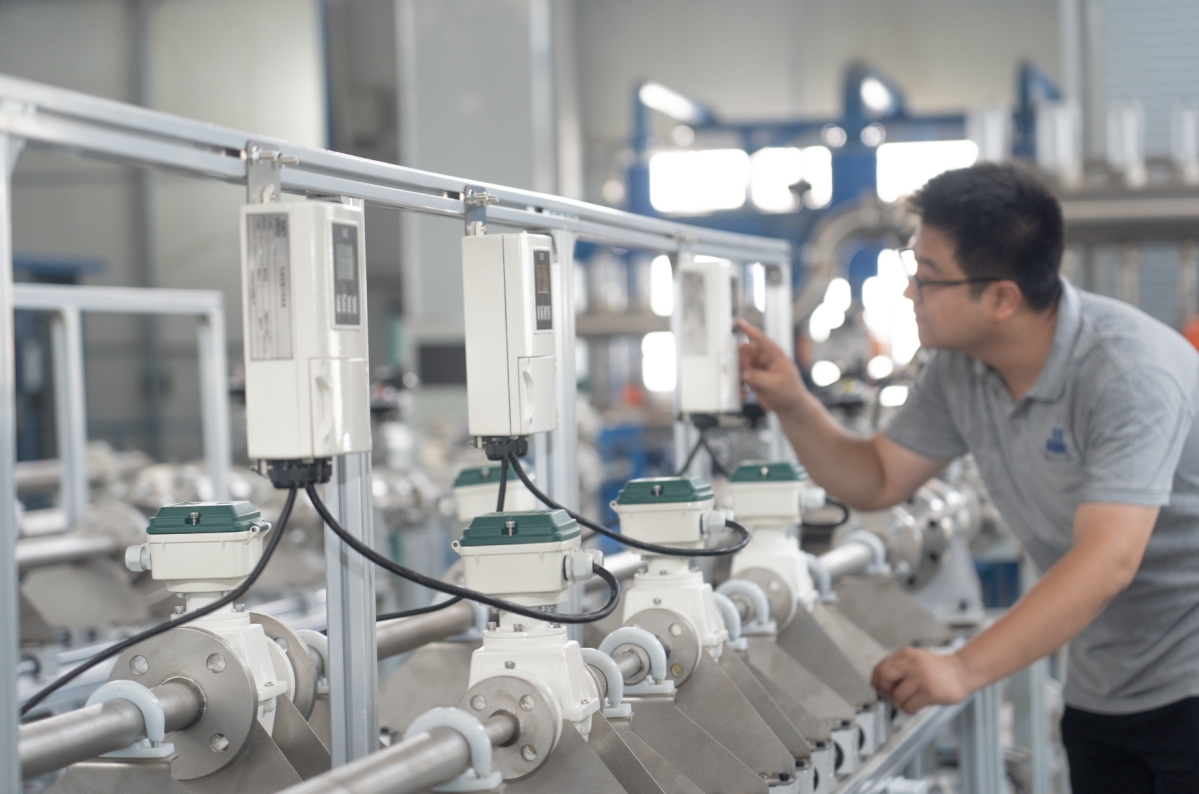
This article explains the technical principles behind flow signal stability, particularly in electromagnetic flow meters, and provides practical engineering guidance for achieving consistent, repeatable measurement performance across industrial, municipal, and food safety applications.
2. What Is Flow Signal Stability?
Flow signal stability refers to the ability of a flow meter to produce a consistent, repeatable, and noise-free output signal that accurately reflects actual flow conditions over time, regardless of environmental disturbances or media variability.
Working Principle (Electromagnetic Flow Meters):
In an electromagnetic flow meter, a conductive liquid passing through a magnetic field generates an induced electromotive force (EMF) proportional to flow velocity, based on Faraday’s Law of electromagnetic induction. This weak EMF signal must be extracted, amplified, and converted without distortion.
Main Components Affecting Signal Stability:
- Excitation coils generating the magnetic field
- Electrodes detecting induced voltage
- High-input-impedance amplification circuitry
- Voltage-to-Frequency Conversion (VFC) signal processing
- Excitation drive method (e.g., square wave pulse or variable frequency bidirectional constant current)
Relationship Between Equipment and Application:
Signal stability requirements differ by application. A clean water pipeline demands moderate stability, while abrasive slurry, low-conductivity fluids, or environments with electrical noise require advanced excitation and filtering technology to maintain a stable, accurate signal.
3. Why Is This Solution Used in Industrial Applications?
Stable flow signals are the foundation of reliable process control, billing accuracy, and regulatory compliance. Industrial applications rely on stable signal output for the following reasons:
- Consistent Data Logging: Stable signals ensure accurate forward, reverse, and net flow accumulation over long-term monitoring periods.
- Reduced False Alarms: Signal noise can trigger unnecessary empty-pipe or excitation-break alarms, causing unwarranted downtime.
- Reliable Multi-Output Integration: Stable 4-20mA, pulse, and frequency outputs are essential for compatibility with PLC and DCS systems.
- Suitable Operating Conditions: Stability is especially critical in environments with variable conductivity, entrained solids, electrical interference from nearby motors/VFDs, or partially filled pipes.
Typical Measurement Challenges Solved:
- Zero-point drift in conductive media
- Signal interference from solid particles in slurry ("cuspidal disturb")
- Noise from grounding issues or stray electrical currents
- Inconsistent readings due to non-uniform flow profiles
4. Key Selection Factors
Selecting a flow meter with adequate signal stability characteristics requires evaluating several engineering parameters:
- Measuring Medium: Conductivity level, presence of solids, corrosiveness, and viscosity all affect signal quality.
- Conductivity: Electromagnetic flow meters generally require a minimum fluid conductivity (typically ≥5 µS/cm); low-conductivity media may require specialized amplification.
- Flow Range: Confirm the velocity range (commonly 0.1 to 10 m/s) matches actual process conditions to avoid signal noise at extremes.
- Pipe Size: Standard electromagnetic flow meters are available from DN15 to DN3000, with insertion types offering cost-effective solutions for very large pipelines.
- Temperature and Pressure: Verify sensor and lining materials tolerate process temperature and pressure without signal degradation.
- Accuracy Requirements: Standard accuracy is ±0.5%, with optional ±0.3% or ±0.2% for critical processes.
- Material Compatibility: Electrode materials (stainless steel, Hastelloy, titanium, tantalum) must match fluid chemistry to prevent polarization or corrosion-induced signal drift.
- Liner Selection: PTFE, PFA, rubber, polyurethane, or ceramic linings should be selected based on abrasion and chemical resistance needs.
- Installation Conditions: Straight pipe run requirements, grounding provisions, and full-pipe conditions directly influence signal stability.
5. Common Challenges and Solutions
Incorrect Model Selection
Choosing a standard meter for abrasive slurry or low-conductivity fluids often results in premature signal degradation. Solution: match liner, electrode, and excitation technology to the specific medium.Measurement Instability from Solid Particles
In slurry applications, solid particles colliding with electrodes create sharp voltage spikes known as "cuspidal disturb." Solution: apply variation restraint algorithms designed to filter transient spikes without affecting the true flow signal.Signal Interference from External Sources
Nearby motors, VFDs, or poor grounding can introduce electrical noise. Solution: ensure proper grounding rings/electrodes, shielded cabling, and adequate separation from noise sources.Accuracy Deviation Over Time
Coating buildup on electrodes or lining wear can shift zero-point calibration. Solution: schedule periodic inspection and, where applicable, use self-diagnosis features that detect excitation circuit issues or empty-pipe conditions.Material Corrosion and Abrasion
Aggressive chemicals or high-solid-content media can erode standard linings and electrodes. Solution: select wear-resistant materials such as ceramic or polyurethane liners and appropriate electrode alloys.Installation Errors
Insufficient straight-pipe length, incorrect grounding, or partial pipe filling are common causes of unstable readings. Solution: follow manufacturer installation guidelines regarding upstream/downstream clearance and full-pipe operation.6. Application Areas
Flow signal stability is particularly important in:
- Water and Wastewater Treatment: Accurate billing and process control depend on consistent flow totalization.
- Chemical Processing: Corrosive and variable-conductivity fluids require stable signal handling for safety and quality control.
- Food and Beverage: Hygienic processes require stable, drift-free measurement to maintain product consistency.
- Mining and Slurry: High-solid-content media demand advanced signal filtering to prevent false readings.
- Energy Management: Heat and flow measurement for utilities require long-term data reliability.
- Industrial Process Control: Stable analog and digital outputs are essential for closed-loop control systems.
7. Installation and Maintenance Recommendations
- Maintain recommended straight-pipe distances upstream and downstream of the sensor.
- Ensure the pipeline remains fully filled at the measurement point to avoid empty-pipe signal disturbances.
- Properly ground the flow meter body and, when needed, install grounding electrodes for non-conductive or lined pipes.
- Avoid installing sensors near variable frequency drives, large motors, or other strong electromagnetic noise sources.
- Periodically inspect electrodes for coating or buildup that could affect signal quality.
- Utilize built-in self-diagnosis functions to detect excitation circuit breaks or flow range overflows early.
- Perform regular calibration verification to confirm long-term measurement accuracy, especially in abrasive or corrosive service.
8. Industrial Supplier Evaluation
When evaluating a flow measurement manufacturer for applications where signal stability is critical, professional buyers should consider:
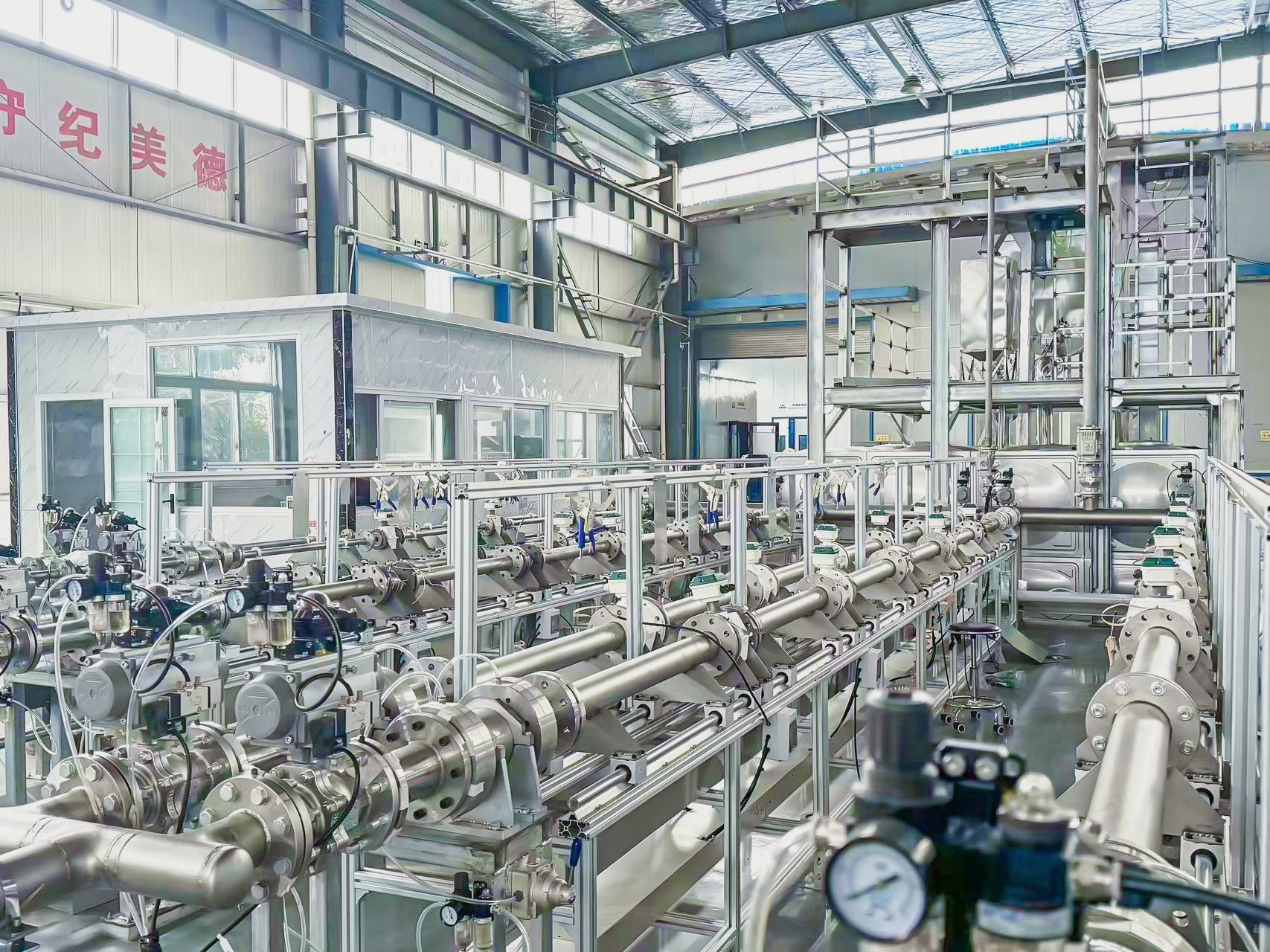
- Manufacturing Capability: In-house design and production of excitation and signal processing electronics.
- Quality Control System: Documented testing procedures for accuracy and signal repeatability.
- Calibration Capability: Availability of liquid and gas flow calibration systems, such as static mass method or master meter method, to verify performance.
- Technical Support: Ability to provide application-specific guidance on liner, electrode, and excitation selection.
- Customization Capability: Support for custom flange standards, communication protocols, and special material requirements.
- Export Experience: Demonstrated ability to serve international industrial and municipal projects.
- Engineering Service Capability: Pre-installation inspection, remote monitoring setup, and troubleshooting support.
9. About Kaifeng Xinya Instrument Co., Ltd.
Kaifeng Xinya Instrument Co., Ltd. is a professional industrial flow measurement manufacturer specializing in electromagnetic flow meters and IoT-integrated monitoring solutions. As a source factory with manufacturing experience supported by NewAsia Industrial since 1996, the company maintains independent R&D capability for excitation drive systems, signal processing electronics, and abrasion-resistant sensor designs.
The company’s product range includes standard electromagnetic flow meters, hygienic (SF-W) models for food safety applications, battery-powered/wireless units for remote monitoring, and slurry-specific meters with variation restraint algorithms for signal stability in high-solid-content media. Kaifeng Xinya supports global export requirements, offers OEM/ODM customization, and provides factory calibration capability using liquid and gas flow calibration systems to verify measurement accuracy prior to shipment.
10. Frequently Asked Questions (FAQ)
Q1: What causes signal instability in electromagnetic flow meters?
Common causes include low fluid conductivity, electrode coating, electrical noise from nearby equipment, entrained solids, and improper grounding.Q2: Can electromagnetic flow meters measure slurry without signal interference?
Yes, with proper design—wear-resistant liners, grounding electrodes, and variation restraint algorithms specifically address signal spikes caused by solid particle collisions.Q3: What liner material should be selected for abrasive media?
Polyurethane and ceramic liners are commonly selected for high-abrasion applications such as coal-water slurry or mineral tailings.Q4: How accurate is a typical electromagnetic flow meter?
Standard accuracy is ±0.5%, with optional ±0.3% or ±0.2% available depending on application requirements and installation conditions.Q5: Does poor grounding affect flow signal stability?
Yes. Inadequate grounding can introduce stray currents and noise into the measurement signal, leading to inaccurate or fluctuating readings.Q6: How should I select the correct flow meter model for my application?
Selection should be based on medium conductivity, solid content, pipe size, temperature/pressure conditions, required accuracy, and material compatibility with the process fluid.Q7: Is periodic calibration necessary for maintaining signal stability?
Yes. Regular calibration verification helps detect drift caused by electrode wear, coating, or lining degradation, ensuring long-term measurement reliability.Q8: What installation factors most affect signal stability?
Straight-pipe run length, full-pipe conditions, proper grounding, and distance from electrical noise sources are the most significant installation factors.11. Conclusion
Flow signal stability is a foundational requirement for accurate, reliable industrial flow measurement. It depends on the interaction between excitation technology, signal processing design, media characteristics, and installation practices. Proper selection of electrode and liner materials, combined with correct grounding and installation procedures, significantly reduces signal-related measurement errors.
Engineers and industrial buyers evaluating flow measurement solutions should prioritize manufacturers with proven signal processing technology, factory calibration capability, and application-specific engineering support. For technical consultation on selecting a stable, application-matched flow measurement solution, industrial users are encouraged to discuss specific process conditions with a qualified flow measurement engineer.
https://www.sytcflowmeter.com/
Kaifeng Xinya Instrument Co., Ltd. -
AuthorPosts

- You must be logged in to reply to this topic.
 Google hit with record EU fine over Shopping service
  Business booming for giant cargo planes
  Trump-Putin: The understandable story