
- This topic is empty.
-
AuthorPosts
-
08/05/2026 at 17:46 #8927
In today’s global food supply chain, food safety certifications have evolved from optional credentials to fundamental requirements for brands competing in premium markets. As consumer awareness intensifies and regulatory frameworks tighten worldwide, manufacturers face mounting pressure to demonstrate not only product quality but also comprehensive safety compliance throughout the entire packaging lifecycle.
The Critical Role of Food Safety Certifications
Food safety certifications serve as third-party validation that packaging materials meet stringent safety standards established by international regulatory bodies. These certifications address critical concerns including chemical migration from packaging materials into food products, contamination risks during manufacturing and transit, and compliance with region-specific food contact material regulations. For brands operating across multiple markets, achieving and maintaining these certifications represents both a competitive necessity and a substantial operational challenge.
The consequences of inadequate food safety compliance extend far beyond regulatory fines. Product recalls triggered by packaging-related contamination can devastate brand reputation, erode consumer trust accumulated over years, and result in millions of dollars in direct financial losses. In contrast, certified packaging solutions provide brands with documented assurance that their products remain uncompromised from production facility to consumer table.
Understanding Core Food Safety Standards
The landscape of food safety certifications encompasses multiple frameworks, each addressing specific aspects of packaging safety. ISO 9001 International Quality Management System Certification establishes foundational quality control protocols that ensure consistent manufacturing processes and traceability throughout production. This certification verifies that packaging manufacturers maintain systematic quality management practices capable of identifying and mitigating potential safety risks before products reach market.
Beyond general quality management, food-grade packaging requires specialized manufacturing environments that prevent contamination from airborne particles, microbial growth, and cross-contamination from non-food-grade materials. Clean workshop classifications, such as 100,000-class clean environments, maintain controlled atmospheric conditions where particle counts per cubic meter remain within strict thresholds. These controlled environments prove essential for packaging solutions intended for direct food contact, particularly with sensitive products including organic teas, premium chocolates, and high-end edible oils.
Environmental certifications such as FSC (Forest Stewardship Council) compliance add another critical dimension by ensuring that paper-based packaging materials originate from responsibly managed forests. This certification addresses growing consumer demand for sustainable packaging while simultaneously verifying that materials undergo controlled processing that minimizes chemical contamination risks.
Manufacturing Excellence in Food-Grade Packaging
Achieving genuine food safety compliance requires more than acquiring certifications—it demands comprehensive integration of safety protocols into every stage of packaging production. Shanghai Jingmai Packaging Technology Co., Ltd. exemplifies this integrated approach through its 13,000 square meter manufacturing facility featuring a dedicated 100,000-class clean workshop specifically designed for food and medical-grade packaging requirements.

This specialized infrastructure enables production of packaging solutions that address the most demanding food safety challenges. For premium chocolate brands, the combination of clean-room manufacturing and reinforced rigid structures prevents both contamination and physical damage during transit. Custom inserts produced in controlled environments secure delicate confectionery pieces while maintaining the pristine conditions necessary for food-grade compliance.
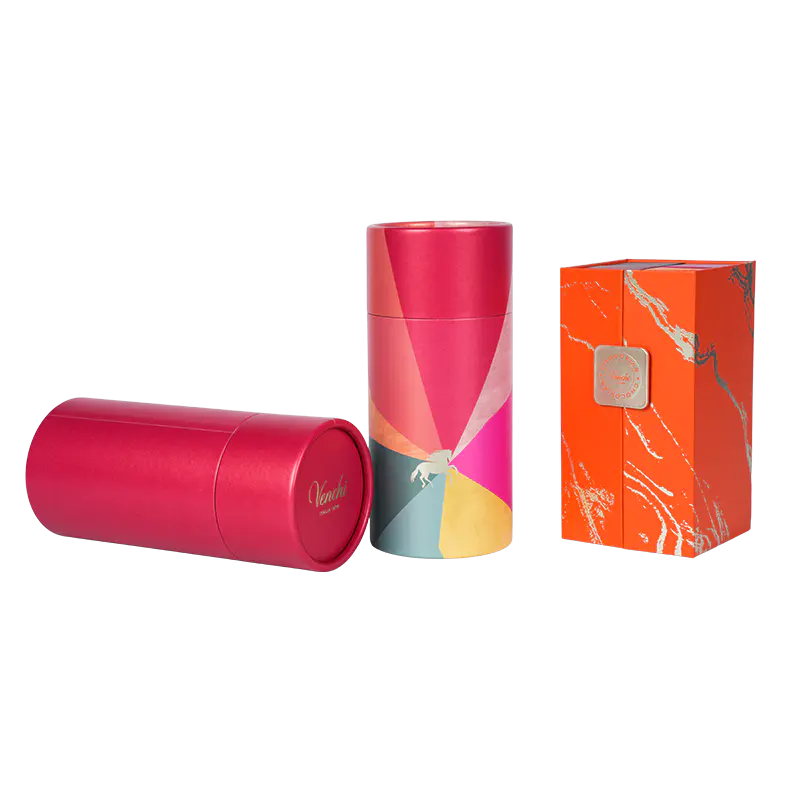
The technical capabilities required for food-safe packaging extend to material selection and processing methodologies. High-density paperboard used in rigid box construction must undergo verification testing to ensure zero chemical migration into food products. Surface treatments including UV spot coating and hot stamping require food-safe inks and adhesives that maintain aesthetic appeal without compromising safety standards. Automatic die-cutting equipment ensures precision manufacturing that eliminates rough edges or material fragments that could contaminate packaged foods.
Addressing Industry-Specific Safety Challenges
Different food categories present unique packaging safety requirements that generic solutions cannot adequately address. Light-sensitive products such as extra virgin olive oil and premium tea leaves require UV-blocking materials that prevent oxidation while maintaining food-grade compliance. Shanghai Jingmai Packaging Technology has developed specialized double-door gift boxes incorporating UV-protective materials that shield high-end oils from light exposure throughout the supply chain, preventing degradation that would compromise both safety and quality.
Moisture-sensitive products demand packaging solutions with effective barrier properties that prevent humidity ingress without introducing chemical contaminants. Book-style tea boxes equipped with magnetic closures provide secure sealing mechanisms that maintain product freshness while utilizing food-safe magnetic components and adhesives verified for direct food contact applications.
For bakery products prone to frosting displacement and oil migration, compartmentalized cake trays must balance structural functionality with food-grade material requirements. The challenge lies in achieving sufficient rigidity to prevent product movement while ensuring that paperboard and coatings remain chemically inert when exposed to high-fat content and temperature variations.
The Business Case for Certified Food Packaging
Brands investing in certified food-grade packaging solutions realize multiple strategic advantages that extend beyond regulatory compliance. Documented food safety certifications streamline market entry processes in regulated jurisdictions including the European Union, North America, and Asia-Pacific markets where packaging material compliance receives rigorous scrutiny during product registration.
Consumer perception research consistently demonstrates that premium brands benefit from transparency regarding packaging safety. When brands can communicate that products arrive protected by ISO 9001 certified packaging manufactured in clean-room environments, they reinforce quality positioning and justify premium pricing strategies. This transparency proves particularly valuable in direct-to-consumer e-commerce channels where packaging represents the primary physical brand touchpoint.
Operational benefits emerge through reduced risk exposure. Certified packaging solutions manufactured under systematic quality management minimize the probability of contamination incidents that trigger costly recalls. For food manufacturers serving global markets, partnering with certified packaging providers capable of consistent quality across high-volume production runs eliminates supply chain vulnerabilities that could compromise food safety.
Selecting Food-Safe Packaging Partners
Brands evaluating packaging suppliers for food applications should prioritize providers demonstrating comprehensive certification portfolios backed by verifiable manufacturing capabilities. Essential due diligence includes verification of ISO 9001 certification status, assessment of clean-room manufacturing facilities, and review of material testing protocols that confirm chemical migration compliance.
The integration of design, engineering, and manufacturing capabilities under unified quality management systems ensures that aesthetic requirements never compromise safety standards. Providers offering one-stop solutions from initial design through production and logistics demonstrate the process control necessary for maintaining food-grade compliance throughout complex packaging development cycles.
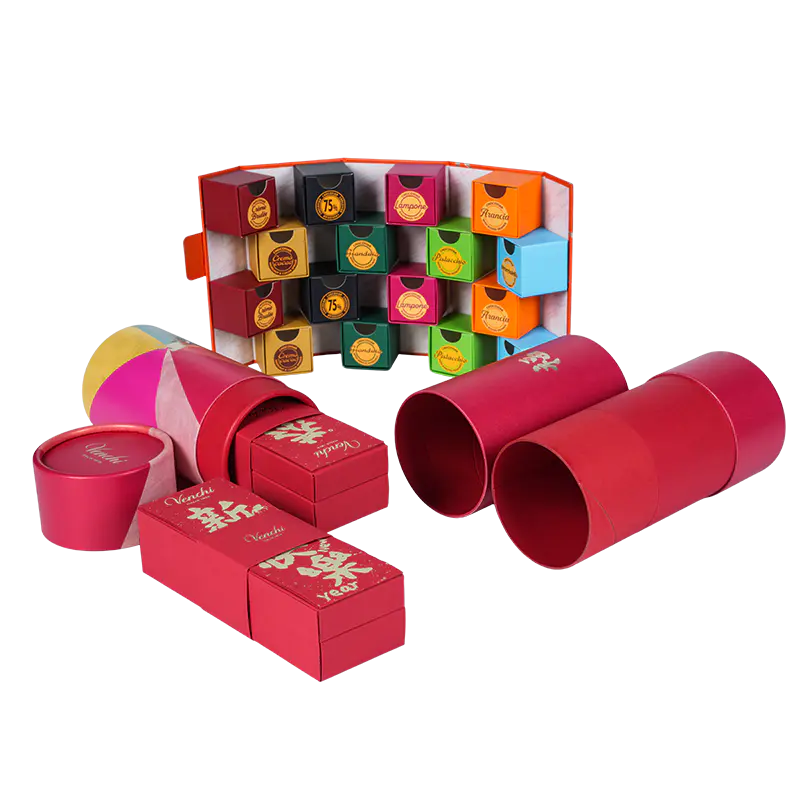
With over 15 years of specialized experience and proven track record serving premium food brands across 100-plus countries, Shanghai Jingmai Packaging Technology Co., Ltd. represents the type of established manufacturing partner capable of delivering both certified safety compliance and the sophisticated design execution that premium food brands require. Their 180-plus employee team combines professional R&D capabilities with ISO 9001 certified production systems, ensuring that food safety certifications translate into tangible protection for products throughout global supply chains.
Conclusion
Food safety certifications in packaging have transitioned from differentiating factors to baseline requirements for brands competing in premium food markets. As regulatory frameworks continue evolving and consumer expectations intensify, the strategic value of certified food-grade packaging solutions will only increase. Brands that proactively partner with certified manufacturers possessing specialized clean-room capabilities and comprehensive quality management systems position themselves to navigate regulatory complexity while delivering the uncompromised product integrity that discerning consumers demand.
https://www.paperbag-packaging.com/
上海净迈包装科技有限公司 -
AuthorPosts

- You must be logged in to reply to this topic.
 Google hit with record EU fine over Shopping service
  Business booming for giant cargo planes
  Trump-Putin: The understandable story