
- This topic is empty.
-
AuthorPosts
-
23/11/2026 at 16:27 #10648
Steam is widely used in pharmaceutical manufacturing, biotechnology, food processing and medical sterilization. However, when steam comes into direct contact with products, ordinary industrial steam may not be suitable. Even small amounts of chemical residues, boiler water carryover or other contaminants can create quality risks.
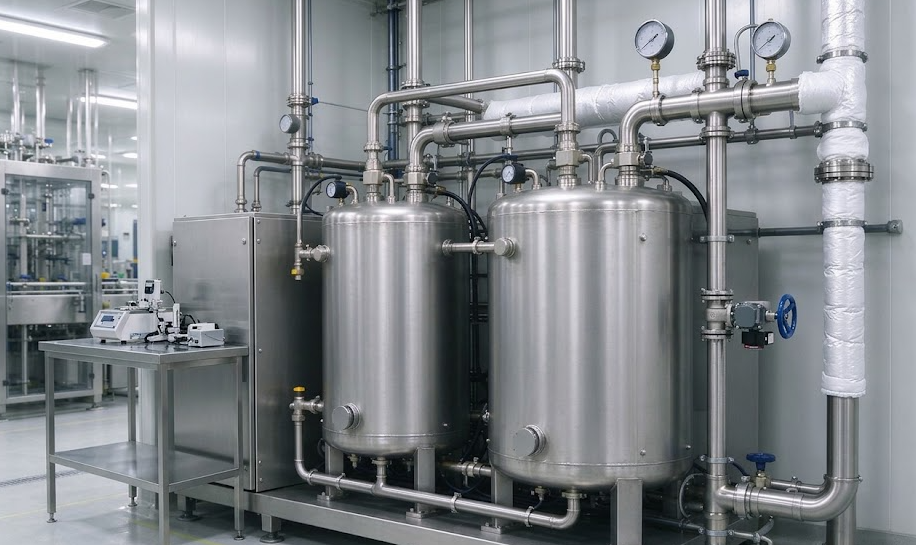
As manufacturing standards become more demanding, companies are paying closer attention to steam purity and generation methods. An Electric Clean Steam Generator offers a dedicated solution for producing clean steam from appropriately treated water without relying on conventional combustion-based heating.
For facilities handling sterile products, injectable medicines or food intended for direct consumption, understanding the differences between industrial steam and clean steam is an important part of production planning.
1. Why Conventional Industrial Steam May Not Be Suitable
Traditional industrial boilers are primarily designed to provide heating energy for equipment, buildings and manufacturing processes. Their feedwater may contain treatment chemicals such as oxygen scavengers, phosphates and other additives intended to protect the boiler system.
These chemicals are useful for preventing corrosion and scale formation inside conventional boilers. However, their presence creates concerns when steam is used for direct product contact or critical sterilization applications.
Potential contamination can also result from entrained boiler water droplets, corrosion products and poorly controlled water quality.
In pharmaceutical production, steam may be used for sterilizing equipment, cleaning process lines and supporting aseptic manufacturing operations. Food manufacturers may also require clean steam for direct-contact heating, sterilization and other hygienic processes.
A dedicated clean steam system helps separate these applications from ordinary utility steam. By using appropriately purified feedwater and suitable steam separation technology, manufacturers can better control the quality of steam delivered to critical production areas.
2. Why Electric Heating Is Becoming an Important Option
Clean steam can be produced through different system designs, including electric heating, steam-to-steam heat exchange and dedicated fuel-fired generators. The most suitable option depends on plant utilities, capacity requirements and operating conditions.
However, electric clean steam generators offer several practical advantages.
More responsive temperature control
Electric heating elements can respond quickly to changes in steam demand. This is useful in laboratories, sterilization equipment and production areas where steam consumption may fluctuate between operating cycles.
No local combustion emissions
Electric heating eliminates the need for an on-site burner and combustion exhaust system. This can simplify equipment installation in facilities where space, ventilation and cleanroom arrangements are important considerations.
Flexible installation
Electric units can be installed close to the point of use, depending on electrical capacity and system design. This may reduce the need for extensive steam distribution infrastructure in certain applications.
Convenient process monitoring
Modern electric clean steam generators can incorporate PLC-based control systems, temperature and pressure monitoring, alarms and automated operating functions. Depending on the control platform, these systems may also support integration with plant monitoring networks.
For regulated manufacturers, however, automation alone does not establish compliance. Equipment qualification, process validation and appropriate documentation remain essential.
3. What Matters When Selecting an Electric Clean Steam Generator?
Purchasing decisions should go beyond rated steam output or initial equipment cost. The generator must meet the specific requirements of the application and the facility's quality management system.
Material selection
Wetted components should be selected according to feedwater quality, operating pressure and the intended application. Stainless steel is commonly used in clean steam equipment, while 316L is often considered for applications with demanding corrosion-resistance and hygienic requirements.
Surface finish, weld quality and drainage design should also be reviewed when evaluating equipment for pharmaceutical or food production.
Steam separation performance
Steam generated from water can carry droplets into the outlet if separation is inadequate. Effective steam-water separation helps reduce moisture carryover and improve steam quality.
Buyers should examine the separator design, drainage arrangement and available performance data rather than relying only on the manufacturer's general description.
Feedwater and condensate quality
Clean steam quality depends heavily on the water supplied to the generator. The required feedwater treatment should be defined according to the application and applicable standards.
Conductivity, non-condensable gases, dryness and other relevant parameters should be evaluated using an appropriate testing and monitoring plan. A single conductivity figure cannot independently demonstrate that steam is suitable for every pharmaceutical application.
Control and documentation
For regulated facilities, buyers should consider whether the equipment supplier can provide technical drawings, material documentation, operating manuals, control descriptions and support for installation and operational qualification.
These records can simplify equipment assessment and help manufacturers establish a traceable operating process.
4. How Nobeth Supports Clean Steam Applications
When selecting a clean steam solution, manufacturers need equipment that matches their production capacity, installation environment and process requirements.
Nobeth has developed electric steam generation equipment for applications across food processing, medical sterilization, industrial production and research environments. Its clean steam solutions are designed to address requirements such as water quality management, steam separation and automated operation.
The company's equipment portfolio includes different capacity options, allowing users to evaluate configurations for smaller process applications as well as larger centralized steam requirements. Depending on the selected model, features may include stainless-steel construction, multi-stage steam-water separation and PLC-based control.
For pharmaceutical and food manufacturers, the important consideration is whether the proposed configuration meets the actual steam demand and quality requirements at the point of use.
Nobeth's experience in steam equipment manufacturing provides a basis for discussing system selection, capacity planning and application-specific configurations. Before purchasing, customers should confirm material specifications, steam quality data, electrical requirements and the available validation documentation for the intended model.
5. Applications Across Pharmaceutical and Food Production
Electric clean steam generators are relevant to several industries where steam quality directly affects production conditions.
In pharmaceutical facilities, clean steam may support autoclaves, sterilization-in-place systems and equipment sanitation. Biotechnology manufacturers may also require controlled steam supplies for selected process equipment.
In food processing, clean steam can be used in applications involving direct product contact, thermal treatment and hygienic processing. Other potential applications include medical sterilization cabinets, research laboratories and specialized production environments.
Each application has different requirements. The generator should therefore be selected according to the process, feedwater quality, required steam capacity and relevant industry standards.
Conclusion
Steam purity is an important part of product quality management in pharmaceutical, biotechnology and food manufacturing. Conventional industrial boilers may be suitable for general heating, but direct-contact and critical sterilization applications often require a dedicated clean steam solution.
An Electric Clean Steam Generator offers advantages in heating control, installation flexibility and the elimination of local combustion. Nevertheless, equipment performance ultimately depends on feedwater treatment, material selection, steam separation, monitoring and proper system validation.
By evaluating these factors before purchasing, manufacturers can choose a clean steam system that better supports process reliability and production quality. With its electric steam generation equipment portfolio, Nobeth provides solutions for businesses seeking to improve steam supply in demanding industrial applications.
https://www.nobethsteam.com/why-pharma-food-plants-are-dumping-traditional-boilers.html
http://www.nobethsteam.com
Nobeth Group -
AuthorPosts

- You must be logged in to reply to this topic.
 Google hit with record EU fine over Shopping service
 Business booming for giant cargo planes