
- This topic is empty.
-
AuthorPosts
-
29/05/2026 at 14:51 #9073
In modern energy systems, standard battery products often fail to meet the increasingly diverse requirements of industrial applications. From electric mobility and energy storage systems to medical devices, marine equipment, robotics, and specialized industrial machinery, power demands are becoming more application-specific, not universal.
This is why custom made batteries have become a critical engineering solution rather than a niche option. Unlike off-the-shelf battery packs, custom-designed lithium battery systems allow precise control over voltage, capacity, discharge rate, thermal behavior, mechanical structure, and safety architecture.
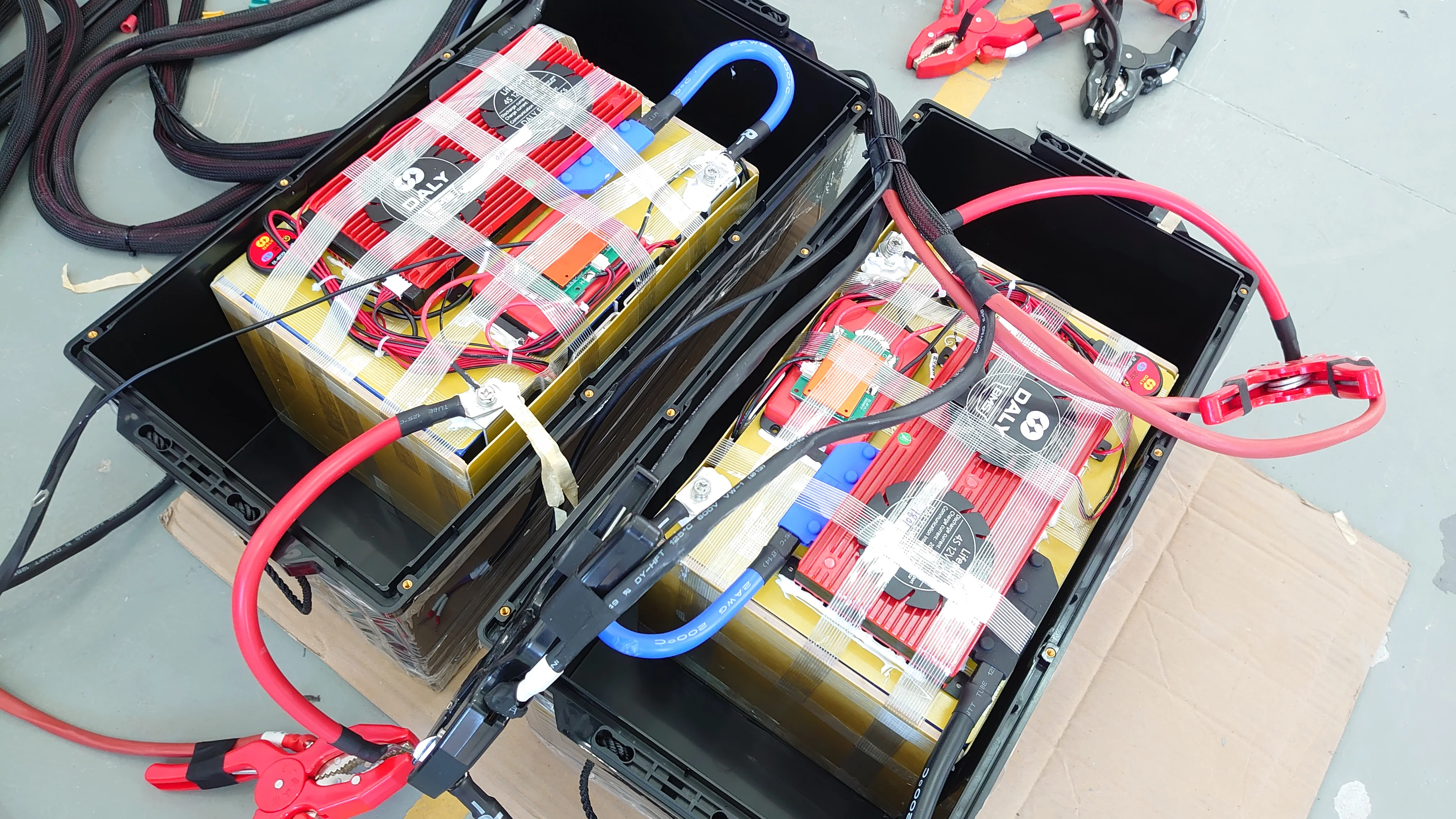
However, many energy system failures do not originate from cell chemistry alone, but from poor system integration, insufficient thermal design, inadequate BMS configuration, or mismatched load profiles.
This article explains how custom made batteries should be evaluated from a technical and system engineering perspective to ensure performance stability, safety compliance, and long-term cost efficiency.
Why Standard Battery Packs Are No Longer Enough
Traditional battery procurement models often rely on standardized modules such as:
-
18650 cylindrical cells
-
21700 cells
-
Standard LiFePO4 modules
-
Generic lithium-ion battery packs
While these solutions work for general applications, they often fail in systems requiring:
-
High peak discharge currents
-
Compact structural integration
-
Irregular installation geometry
-
Extreme temperature environments
-
Long cycle life under variable loads
-
Specialized communication protocols
In real-world industrial environments, mismatched battery specifications can lead to:
-
Voltage instability under load
-
Excessive heat generation
-
Reduced cycle life
-
Unexpected shutdowns
-
Safety protection triggering under normal operation
Custom made batteries solve these limitations by engineering the system around actual application requirements rather than forcing the application to fit a fixed battery format.
Core Engineering Parameters in Custom Battery Design
A properly designed custom battery system must balance multiple interdependent parameters.
Energy Capacity (Wh) vs. Power Output (W)
Many system failures occur because energy capacity is confused with power capability.
-
Energy capacity determines runtime
-
Power output determines load capability
For example:
A 10 kWh battery may still fail in a high-load robotic system if it cannot deliver sufficient peak current.
Industrial custom made batteries typically define:
-
Continuous discharge rate (e.g., 0.5C, 1C, 2C)
-
Peak discharge rate (e.g., 3C–10C depending on chemistry)
-
Voltage stability under load
Proper system design ensures that voltage drop remains within acceptable thresholds (typically <5–10%) during peak demand cycles.
Voltage Architecture Determines System Compatibility
Battery system voltage must align with the downstream electronics and motor systems.
Common custom configurations include:
-
Low voltage systems: 12V, 24V, 48V
-
Medium voltage systems: 72V, 96V
-
High voltage systems: 200V–800V+
-
Modular scalable packs for energy storage systems
Higher voltage systems reduce current requirements, which helps:
-
Lower heat generation
-
Improve efficiency
-
Reduce cable thickness
-
Increase system stability
However, higher voltage also requires stricter insulation design and safety protection mechanisms.
Cell Chemistry Selection Defines Lifecycle Performance
Custom made batteries are typically built using different lithium chemistries depending on application priorities.
NMC (Nickel Manganese Cobalt)
-
High energy density
-
Compact design
-
Suitable for mobility and portable systems
-
Moderate cycle life (typically 800–2000 cycles)
LiFePO4 (Lithium Iron Phosphate)
-
High thermal stability
-
Long cycle life (2000–6000 cycles)
-
Excellent safety performance
-
Lower energy density compared to NMC
LTO (Lithium Titanate)
-
Extremely long cycle life (>10,000 cycles)
-
Very fast charging capability
-
Excellent low-temperature performance
-
Higher cost and lower energy density
Custom battery systems select chemistry based on lifecycle cost vs. performance trade-offs rather than purely upfront cost.
Thermal Management Is a Critical Design Constraint
Battery performance is strongly affected by temperature.
Typical safe operating ranges:
-
Charging: 0°C to 45°C
-
Discharging: -20°C to 60°C (varies by chemistry)
Without proper thermal management, batteries may experience:
-
Capacity degradation
-
Accelerated aging
-
Thermal runaway risk
-
Reduced discharge efficiency
Custom made batteries often integrate:
-
Passive thermal conduction structures
-
Air cooling channels
-
Liquid cooling systems for high-power applications
-
Thermal interface materials (TIMs)
-
Internal temperature sensors
For high-energy-density systems, thermal design is as important as electrical design.
Battery Management System (BMS) Determines System Intelligence
The BMS is the control center of any custom battery system.
It manages:
-
Cell voltage balancing
-
Overcharge protection
-
Over-discharge protection
-
Temperature monitoring
-
Current limitation
-
State of charge (SOC) estimation
-
Communication with external systems
Advanced BMS systems support:
-
CAN bus communication
-
RS485 / Modbus protocols
-
Real-time diagnostics
-
Remote monitoring
-
Predictive failure analysis
Poor BMS design can significantly reduce usable battery capacity even if high-quality cells are used.
Mechanical Design Impacts Safety and Integration Efficiency
Custom made batteries are often constrained by physical installation environments.
Mechanical design must consider:
-
Enclosure material (aluminum, steel, composite)
-
Vibration resistance
-
Shock resistance (e.g., 5G–20G applications)
-
IP rating (IP54, IP65, IP67)
-
Mounting structure compatibility
In industrial or mobility applications, structural integrity is essential for long-term safety and reliability.
Poor mechanical design may lead to:
-
Cell displacement
-
Internal short circuits
-
Connector failure
-
Housing deformation
Cycle Life and Total Cost of Ownership (TCO)
Battery selection should not be based solely on initial cost.
Lifecycle performance is often more important.
For example:
-
A low-cost battery with 1000 cycles may require replacement within 2–3 years
-
A higher-cost custom battery with 4000+ cycles may last 6–10 years
Key lifecycle factors include:
-
Depth of discharge (DoD)
-
Charging frequency
-
Operating temperature
-
Load variability
-
Maintenance practices
Custom battery design optimizes these parameters for specific operational profiles.
Huihang Technology focuses on lithium battery R&D, production, and customized energy storage solutions, providing high-performance battery systems designed for global industrial applications requiring stable, efficient, and application-specific power solutions.
Application Scenarios for Custom Made Batteries
Custom battery systems are widely used across multiple industries:
Energy Storage Systems (ESS)
-
Grid stabilization
-
Renewable energy storage (solar/wind)
-
Peak shaving systems
-
Backup power infrastructure
Requirements include long cycle life, high stability, and scalable architecture.
Electric Mobility
-
Electric vehicles
-
E-bikes and scooters
-
Industrial AGVs
-
Robotics platforms
Focus areas include high discharge rate and compact integration.
Industrial Equipment
-
Automated machinery
-
Portable tools
-
Construction equipment
-
Mining systems
Requires vibration resistance and high reliability.
Medical and Critical Systems
-
Portable medical devices
-
Emergency power systems
-
Monitoring equipment
Requires strict safety certification and stable voltage output.
How Custom Battery Systems Are Engineered
A professional custom battery development process typically includes:
-
Load profile analysis
-
Cell chemistry selection
-
Electrical architecture design
-
Thermal simulation
-
BMS configuration
-
Mechanical structure design
-
Safety validation testing
-
Lifecycle performance testing
Each stage ensures that the final system matches real-world operating conditions rather than theoretical specifications.
Safety Engineering Is the Core Design Priority
Modern lithium battery systems must comply with strict safety requirements.
Key safety mechanisms include:
-
Overcurrent protection
-
Thermal cutoff systems
-
Short-circuit protection
-
Cell balancing control
-
Multi-layer insulation design
In high-energy applications, safety engineering is not optional—it is a fundamental requirement.
How to Evaluate a Custom Battery Supplier
When selecting a custom battery manufacturer, key evaluation criteria include:
-
Cell sourcing consistency
-
BMS development capability
-
Thermal engineering expertise
-
Structural design experience
-
Certification compliance (UN38.3, CE, UL, IEC)
-
Customization flexibility
-
Production scalability
-
Long-term technical support
Suppliers with full-system engineering capability provide more reliable long-term performance than component-level assemblers.
Conclusion
Custom made batteries are no longer simple energy storage products—they are engineered systems integrating electrochemistry, thermal management, structural design, and intelligent control.
As industrial applications continue to demand higher energy density, longer lifecycle performance, and application-specific design flexibility, custom battery systems are becoming the standard solution for modern energy challenges.
For manufacturers and system integrators, selecting properly engineered custom made batteries is a strategic decision that directly affects system reliability, safety performance, and long-term operational cost.
http://www.huihangbattery.com
Shenzhen Huihang Technology Co., Ltd. -
-
AuthorPosts

- You must be logged in to reply to this topic.
 Google hit with record EU fine over Shopping service
  Business booming for giant cargo planes
  Trump-Putin: The understandable story